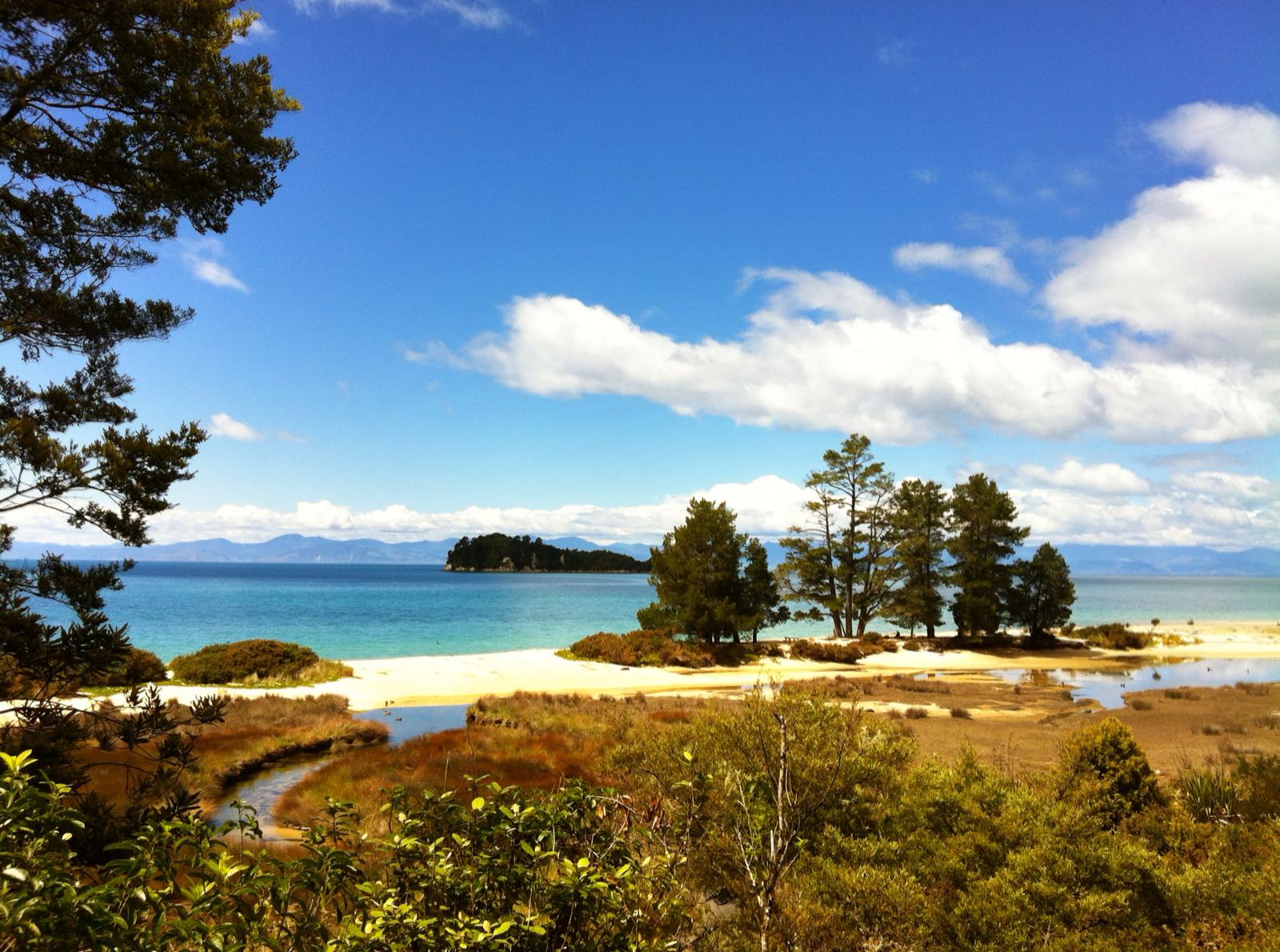
The Abel Tasman Coast Track passes through Coastal, Forest, Beach terrain. Climate conditions include Temperate, Mild, Sunshine. The route stays below significant altitude risk, reaching a maximum of 550m.
Permits and Logistics
A permit is required for this trek. Check current requirements and costs with your country's embassy or a local trekking agency before departure — regulations and fees change regularly. Porters are not typically available on this route — you carry your own gear.
Use the Trekax Pack Calculator to compare your packed and worn gear weights for the Abel Tasman Coast Track using the light packing profile at 8% of body weight.
Is this trek right for you?
The Abel Tasman Coast Track is about 60 km along the coast and can be walked in either direction, with water taxi or kayak options between locations; it is commonly planned over 3 to 5 days. Technical demand is low and the track is well marked, but DOC says some sections may be steep and rough and the track could be muddy. There is one compulsory tidal crossing, so tide times shape your daily plan. It suits walkers with some multi-day experience. You can stay in huts or at campsites. This is a general guide, not an assessment of your fitness.
Before you go
Book every night in advance, all year round. There are 4 huts and 18 campsites. If you arrive without a valid booking, or stay somewhere other than the place named on your ticket, DOC may charge a penalty or ask you to leave the park.
Plan around the tides. The Awaroa estuary is only passable at low tide, and the Torrent Bay estuary can be crossed from 2 hours either side of low tide under normal conditions, with an all-tide track around it. Check a tide timetable.
Huts do not have gas cooking facilities or lighting, so take a portable stove, fuel and candles. Clothes cannot be dried in the huts. Campsites are for tents (hammocks are not permitted), and campers cannot use hut facilities.
Water at huts and campsites is not treated, so boil it before use. There are wasps and sandflies: carry insect repellent and any medication you need for stings.
Based on the terrain, climate, accommodation type, and altitude profile, these are the most important gear decisions for this route:
Firm, comfortable footwear Essential
DOC recommends firm footwear but says boots are not necessary. Some sections are steep and rough, and the track can be muddy.
Lightweight Rain Jacket Essential
For unexpected weather changes
Fleece Mid Layer Essential
Evenings and cool mornings
Sleeping bag (3–4 season) Essential
DOC says everyone staying overnight needs a sleeping bag; it lists a 3–4 season bag.
Portable stove, fuel and candles Essential
Huts have no gas cooking facilities or lighting.
Tent, sleeping mat and ground sheet Camping only
Only if you camp. Campsites are designed for tents, not hammocks.
Tide timetable Essential
The Awaroa estuary is only passable at low tide, so check times before you walk.
Insect repellent Recommended
DOC recommends it for sandflies.
What Not to Bring
Crampons or ice axe
Technical climbing harness or ropes
Packing for the Abel Tasman Coast Track
Complete gear checklist for this 60 km, 3–5 days, Easy route. Best months: Nov, Dec, Jan, Feb, Mar, Apr. Packing profile: Light (8% of body weight target).
📋 About This Packing List
This list is generated from the Abel Tasman Coast Track's terrain profile (Coastal, Forest, Beach), climate (Temperate, Mild, Sunshine), and accommodation type (Hut, Camping). It reflects the light packing profile — appropriate for this route's conditions. Product options are listed for every category. Check the retailer for current prices and availability.
Before you start buying: use the Trekax Pack Calculator to explore a total carried-gear target, including worn items. The Abel Tasman Coast Track uses the 8% packing profile as a planning guide.
🥾 Footwear
Item
Product Option
Alternative / Notes
Trail runners or light hiking boots Essential
DOC recommends firm footwear; boots are not necessary.
The Abel Tasman Coast Track typically takes 3–5 days to complete, covering 60 km with 2,000m of elevation gain.
Is a permit required for the Abel Tasman Coast Track?
Yes, a permit is required for the Abel Tasman Coast Track. Requirements and costs change regularly — confirm current rules with your embassy or a local trekking agency before departure.
When is the best time to trek the Abel Tasman Coast Track?
The best months for the Abel Tasman Coast Track are Nov, Dec, Jan, Feb, Mar, Apr, during the Summer, Autumn season window.
Do I need a guide for the Abel Tasman Coast Track?
A guide is not mandatory for the Abel Tasman Coast Track, though you should be comfortable with independent route-finding.
What is the altitude risk on the Abel Tasman Coast Track?
The Abel Tasman Coast Track stays below significant altitude risk, reaching a maximum of 550m.
Are porters available on the Abel Tasman Coast Track?
Porters are not typically available on the Abel Tasman Coast Track — you carry your own gear.