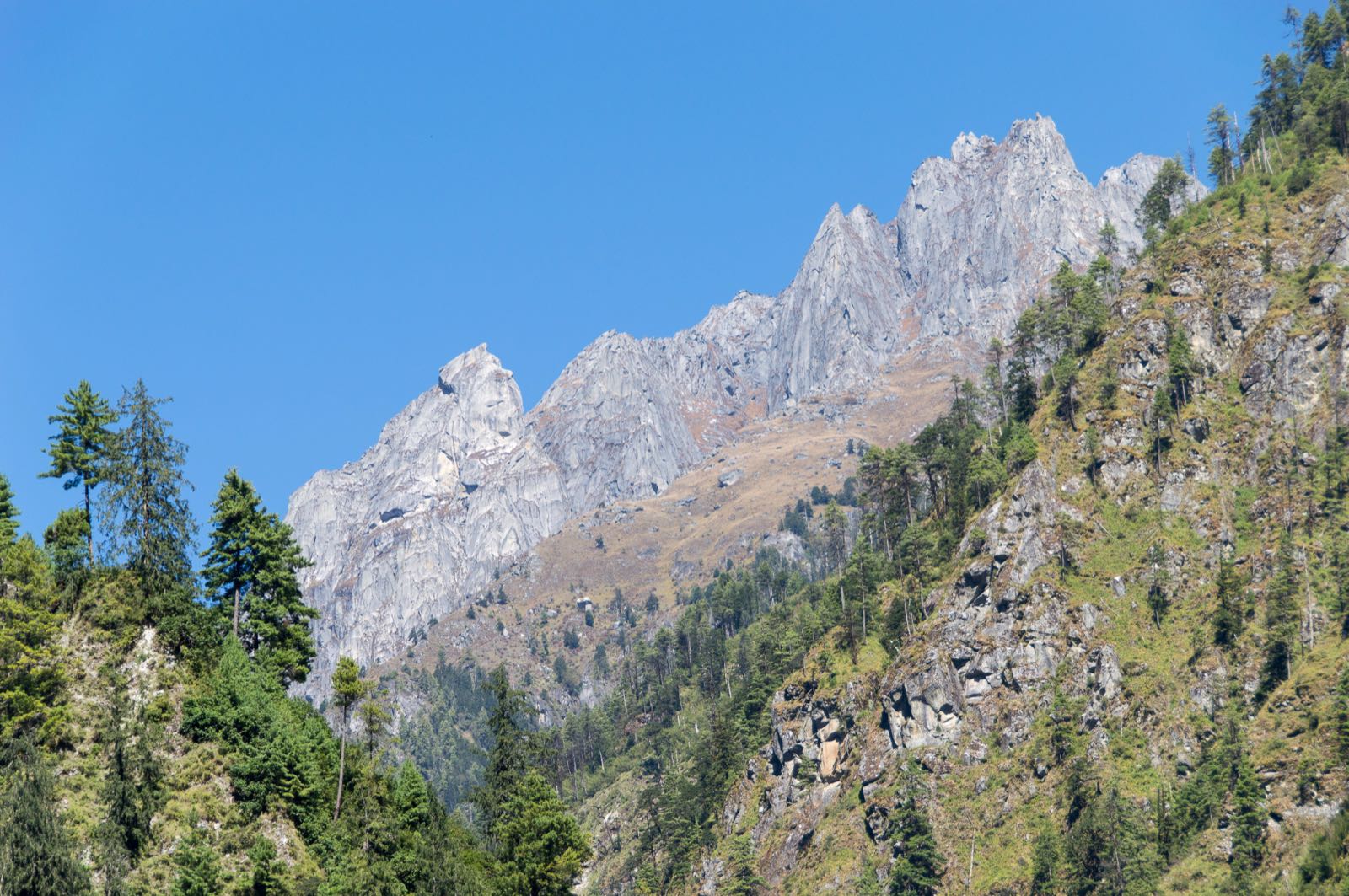
The Annapurna Circuit passes through Mountain, Subtropical Jungle, Alpine Desert terrain. Climate conditions include Himalayan, Extreme Variation, Monsoon Summer. Altitude acclimatisation is required — the route reaches 5,416m. Porter and guide services are available, which is particularly useful for managing load at altitude. A guide is required by local regulations.
Permits and Logistics
A permit is required for this trek. Check current requirements and costs with your country's embassy or a local trekking agency before departure — regulations and fees change regularly. Porter services are available locally, which significantly reduces the physical demands of the trek. A licensed guide is mandatory for this route. (2026 update: a licensed TAAN-registered guide is now mandatory and solo trekking is no longer permitted in the Annapurna Conservation Area — ACAP can be applied for online via the NTNC e-permit portal; TIMS is technically still required but was not being actively enforced at checkpoints as of mid-2026 — verify current fees before booking.)
Use the Trekax Pack Calculator to find your ideal pack weight for the Annapurna Circuit — target the expedition packing profile at 16% of body weight.
Priority Gear for the Annapurna Circuit
Based on the terrain, climate, accommodation type, and altitude profile, these are the most important gear decisions for this route:
Waterproof Hiking Boots
Standard for multi-day mountain trekking
Gore-Tex Waterproof Jacket
High precipitation expected — waterproof essential
Down Jacket (-10°C or lower)
Critical for high camps and cold nights
Sleeping Bag -15°C Comfort
High-altitude camps reach severe cold overnight
Altitude Medication (Diamox)
Consult your doctor — AMS risk above 3,500m
Hydration System (3L capacity)
Hydration is the primary AMS prevention tool
Blister Kit (Compeed + Leukotape)
Long daily distances make blister prevention critical
SPF 50 Sunscreen + Glacier Glasses
UV intensity increases significantly at altitude
Trekking Poles
Reduce knee stress on long descents
What Not to Bring
Full sleeping bag system (liner sufficient at many stops)
Camping stove and cookware
Food supplies beyond snacks
Crampons or ice axe
Technical climbing harness or ropes
Packing for the Annapurna Circuit
Complete gear checklist for this 230 km, 15–21 days, Demanding route. Best months: Mar, Apr, May, Oct, Nov. Packing profile: Expedition (16% of body weight target).
📋 About This Packing List
This list is generated from the Annapurna Circuit's terrain profile (Mountain, Subtropical Jungle, Alpine Desert), climate (Himalayan, Extreme Variation, Monsoon Summer), and accommodation type (Teahouse). It reflects the expedition packing profile — appropriate for this route's conditions. Budget and premium options are listed for every category.
Before you start buying: use the Trekax Pack Calculator to set your total weight target. For the Annapurna Circuit, aim for 16% of your body weight.
The Annapurna Circuit typically takes 15–21 days to complete, covering 230 km with 16,000m of elevation gain.
Is a permit required for the Annapurna Circuit?
Yes, a permit is required for the Annapurna Circuit. Requirements and costs change regularly — confirm current rules with your embassy or a local trekking agency before departure.
When is the best time to trek the Annapurna Circuit?
The best months for the Annapurna Circuit are Mar, Apr, May, Oct, Nov, during the Spring, Autumn season window.
Do I need a guide for the Annapurna Circuit?
Yes, a licensed guide is mandatory for the Annapurna Circuit.
What is the altitude risk on the Annapurna Circuit?
The Annapurna Circuit reaches 5,416m, so altitude acclimatisation is required. Build in rest days and watch for symptoms of altitude sickness.
Are porters available on the Annapurna Circuit?
Yes, porter services are available locally on the Annapurna Circuit.