Trek Overview
Location
Terrain and Conditions
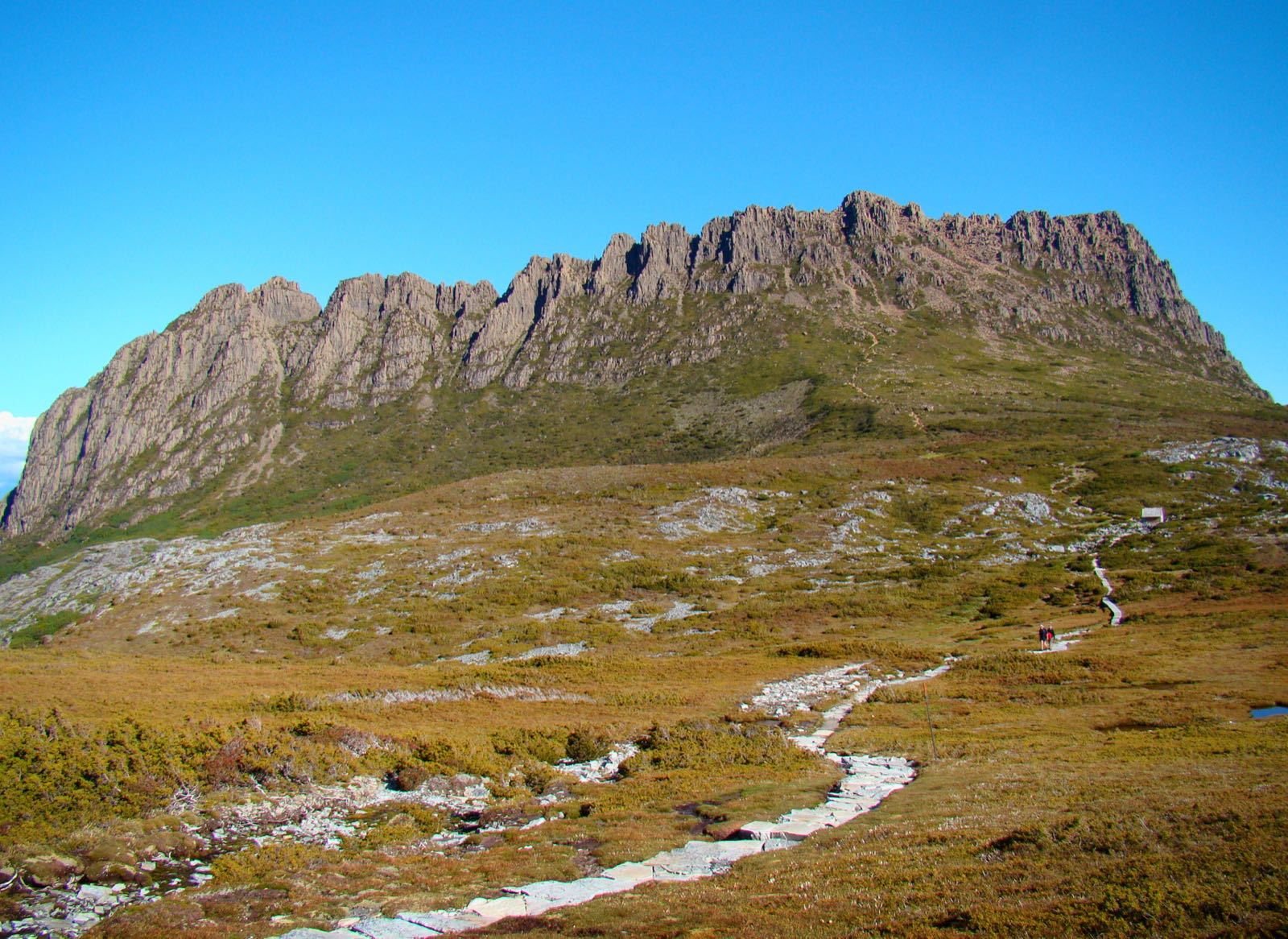
The Overland Track passes through Moorland, Mountain, Rainforest terrain. Climate conditions include Temperate, Wet, Four Seasons In One Day. The route stays below significant altitude risk, reaching a maximum of 1,250m.
Permits and Logistics
A permit is required for this trek. Check current requirements and costs with your country's embassy or a local trekking agency before departure — regulations and fees change regularly. Porters are not typically available on this route — you carry your own gear.
Use the Trekax Pack Calculator to compare your packed and worn gear weights for the Overland Track using the light packing profile at 8% of body weight.
Is this trek right for you?
The Overland Track is 65 km one way, usually walked in 6 days. Parks Tasmania rates it Grade 4 and calls it a serious walk for well-prepared, fit walkers with experience in remote alpine areas. Almost half of the track is above 1,000 m on exposed plateaus, and severe cold, wet and windy weather can happen at any time of year, even in summer. You carry your own equipment and food for the whole journey. You can stay in huts or on tent platforms. This is a general guide, not an assessment of your fitness.
Before you go
- Book in the booking season (1 October to 31 May); the fee covers park entry for the walk. A winter registration applies from 1 June to 23 September, and a park pass is required between June and September. Huts cannot be booked, so a booking does not secure a bunk.
- Huts are first come, first served, with bunks without mattresses, composting toilets, fresh water tanks and communal cooking areas, but no showers, hot water or cooking equipment. Bring a fuel stove and utensils.
- Carry a tent even if you plan to use huts, in case you do not reach the next hut or the huts are full. Independent walkers can also camp on the tent platforms.
- Complete and return the Safety Checklist before you start, tell a reliable person your plans and sign in at the Ronny Creek registration booth. Parks Tasmania notes that deaths have occurred when walkers were unprepared for cold, wet and windy weather.
Sources checked 2026-10-15: Parks Tasmania: Overland Track, Overland Track FAQ, Overland Track: plan your trip.
Priority Gear for the Overland Track
Based on the terrain, climate, accommodation type, and altitude profile, these are the most important gear decisions for this route:
What Not to Bring
- Crampons or ice axe
- Technical climbing harness or ropes
Packing for the Overland Track
Complete gear checklist for this 65 km, 6–8 days, Moderate route. Best months: Nov, Dec, Jan, Feb, Mar, Apr. Packing profile: Light (8% of body weight target).
Before you start buying: use the Trekax Pack Calculator to explore a total carried-gear target, including worn items. The Overland Track uses the 8% packing profile as a planning guide.
🥾 Footwear
🎒 Pack & Carry
🧥 Clothing
😴 Sleep System
💊 Health & Safety
📱 Tech & Documents
Compare your total carried gear weight, including worn items, with a packing-profile target and a category-by-category weight budget.
Try the Trekax Pack Calculator →Also Useful
Frequently Asked Questions
How long does the Overland Track take?
The Overland Track typically takes 6–8 days to complete, covering 65 km with 4,500m of elevation gain.
Is a permit required for the Overland Track?
Yes, a permit is required for the Overland Track. Requirements and costs change regularly — confirm current rules with your embassy or a local trekking agency before departure.
When is the best time to trek the Overland Track?
The best months for the Overland Track are Nov, Dec, Jan, Feb, Mar, Apr, during the Summer, Autumn season window.
Do I need a guide for the Overland Track?
A guide is not mandatory for the Overland Track, though you should be comfortable with independent route-finding.
What is the altitude risk on the Overland Track?
The Overland Track stays below significant altitude risk, reaching a maximum of 1,250m.
Are porters available on the Overland Track?
Porters are not typically available on the Overland Track — you carry your own gear.