Trek Overview
Location
Terrain and Conditions
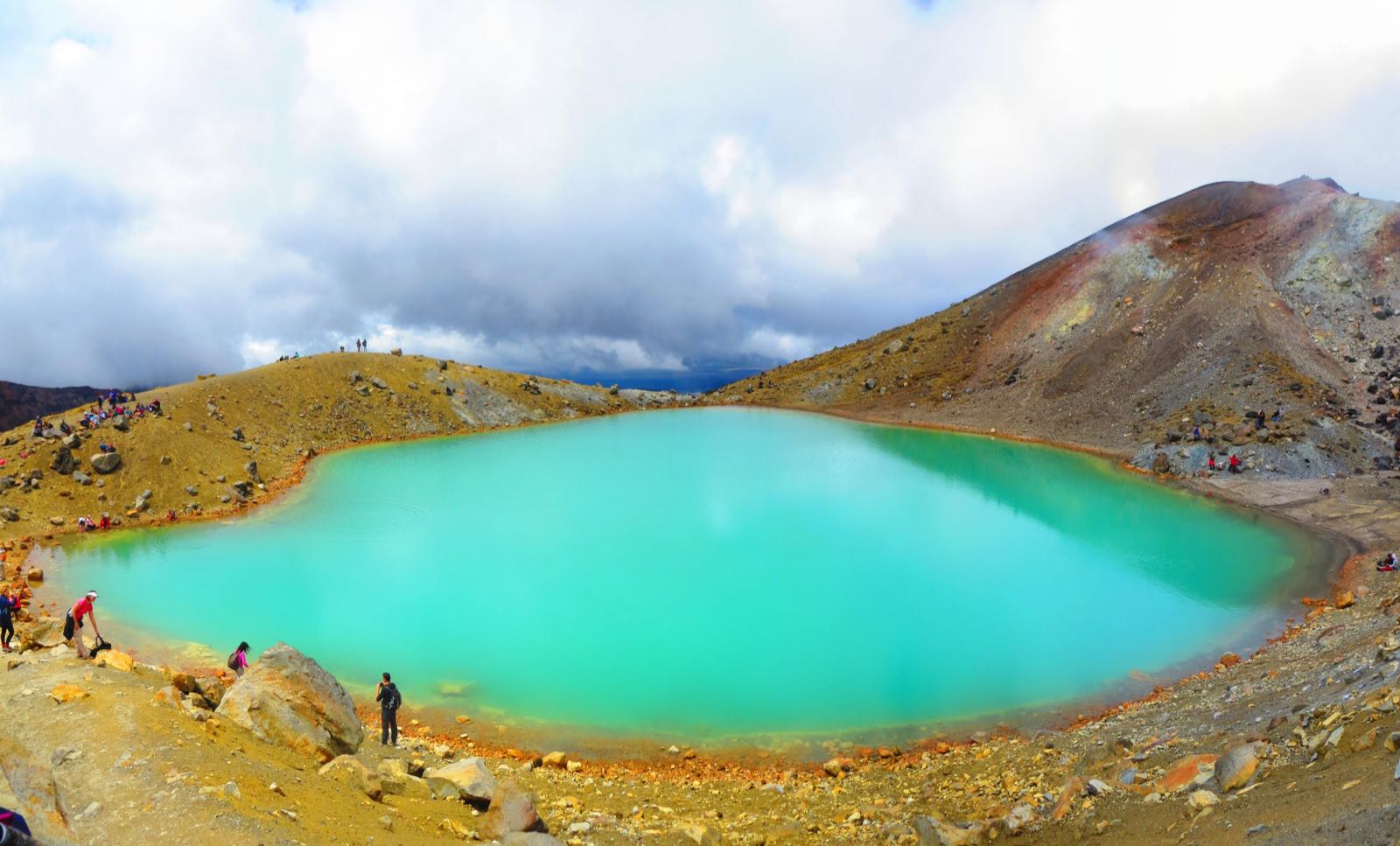
The Tongariro Alpine Crossing passes through Volcanic, Alpine, Crater Lake terrain. Climate conditions include Temperate, Unpredictable, Cold Summit. The route stays below significant altitude risk, reaching a maximum of 1,886m.
Permits and Logistics
No permit is required for this route. Porters are not typically available on this route — you carry your own gear.
Use the Trekax Pack Calculator to compare your packed and worn gear weights for the Tongariro Alpine Crossing using the light packing profile at 8% of body weight.
Is this trek right for you?
The Tongariro Alpine Crossing is a one-way day walk of about 19 km across volcanic terrain. DOC describes most of the track as difficult, exposed and on uneven surfaces, with a staircase climb to South Crater, the highest point at Red Crater (1,886 m), a steep descent on loose volcanic scree, and a long descent with many steps to Ketetahi Road. Cold, strong wind, heavy rain and poor visibility are common even in summer. From 1 May to late October DOC considers it an expert-level winter hike that needs alpine skills and equipment. This is a general guide, not an assessment of your fitness.
Before you go
- Plan it as one long day. DOC recommends bookings for anyone walking any part of the track, and bookings are needed to use a shuttle or guided walk service. There is no cost to book, and DOC says a shuttle is the best way to get there.
- Check conditions before you go: the weather forecast, the ‘Not Recommended Today’ advisory used in the summer hiking season, and the volcanic alert level. The track crosses an active volcanic area.
- Carry 2 to 3 litres of water, because water along the track is not suitable for drinking, and follow DOC’s Day Hikes gear list. Stay on the marked track, keep away from steam vents and do not touch or enter the lakes.
- In winter (1 May to late October) you need alpine skills and equipment. DOC lists crampons, an ice axe, a helmet and avalanche gear, and says you must know how to navigate if cloud or snow hides the marker poles. Consider going with a guide.
Sources checked 2026-10-15: DOC: Tongariro Alpine Crossing.
Priority Gear for the Tongariro Alpine Crossing
Based on the terrain, climate, accommodation type, and altitude profile, these are the most important gear decisions for this route:
What Not to Bring
- Full sleeping bag system (liner sufficient at many stops)
- Camping stove and cookware
- Technical climbing harness or ropes
Packing for the Tongariro Alpine Crossing
Complete gear checklist for this 19 km, 1 days, Moderate route. Best months: Nov, Dec, Jan, Feb, Mar, Apr. Packing profile: Light (8% of body weight target).
Before you start buying: use the Trekax Pack Calculator to explore a total carried-gear target, including worn items. The Tongariro Alpine Crossing uses the 8% packing profile as a planning guide.
🥾 Footwear
🎒 Pack & Carry
🧥 Clothing
😴 Sleep System
💊 Health & Safety
📱 Tech & Documents
Compare your total carried gear weight, including worn items, with a packing-profile target and a category-by-category weight budget.
Try the Trekax Pack Calculator →Also Useful
Frequently Asked Questions
How long does the Tongariro Alpine Crossing take?
The Tongariro Alpine Crossing typically takes 1 days to complete, covering 19 km with 800m of elevation gain.
Is a permit required for the Tongariro Alpine Crossing?
No permit is required for the Tongariro Alpine Crossing.
When is the best time to trek the Tongariro Alpine Crossing?
The best months for the Tongariro Alpine Crossing are Nov, Dec, Jan, Feb, Mar, Apr, during the Summer, Autumn season window.
Do I need a guide for the Tongariro Alpine Crossing?
A guide is not mandatory for the Tongariro Alpine Crossing, though you should be comfortable with independent route-finding.
What is the altitude risk on the Tongariro Alpine Crossing?
The Tongariro Alpine Crossing stays below significant altitude risk, reaching a maximum of 1,886m.
Are porters available on the Tongariro Alpine Crossing?
Porters are not typically available on the Tongariro Alpine Crossing — you carry your own gear.