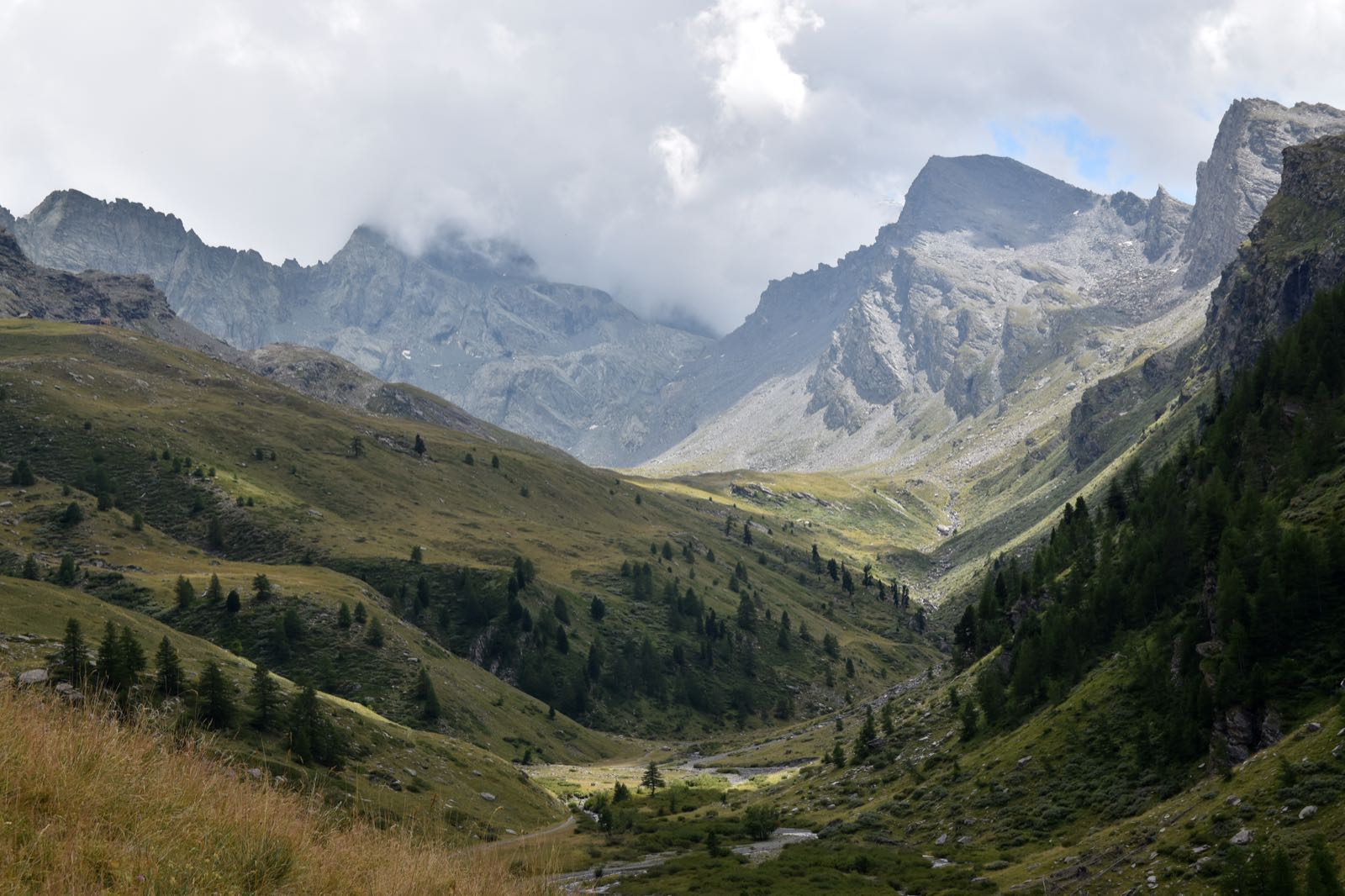
The Tour du Queyras passes through Alpine, Mountain, Valley terrain. Climate conditions include Alpine, Dry Summer, Cold Nights. The route stays below significant altitude risk, reaching a maximum of 3,100m.
Permits and Logistics
No permit is required for this route. Porters are not typically available on this route — you carry your own gear.
Use the Trekax Pack Calculator to find your ideal pack weight for the Tour du Queyras — target the moderate packing profile at 12% of body weight.
Priority Gear for the Tour du Queyras
Based on the terrain, climate, accommodation type, and altitude profile, these are the most important gear decisions for this route:
Waterproof Hiking Boots
Standard for multi-day mountain trekking
Waterproof Shell Jacket
Afternoon storms are routine on this route
Fleece + Down Mid Layer
Temperature drops significantly at night
Sleeping Bag -5°C to -10°C Comfort
Self-supported camping requires warm sleep system
SPF 50 Sunscreen + Glacier Glasses
UV intensity increases significantly at altitude
Trekking Poles
Reduce knee stress on long descents
What Not to Bring
Crampons or ice axe
Technical climbing harness or ropes
Packing for the Tour du Queyras
Complete gear checklist for this 130 km, 7–10 days, Moderate route. Best months: Jun, Jul, Aug, Sep. Packing profile: Moderate (12% of body weight target).
📋 About This Packing List
This list is generated from the Tour du Queyras's terrain profile (Alpine, Mountain, Valley), climate (Alpine, Dry Summer, Cold Nights), and accommodation type (Hut, Camping). It reflects the moderate packing profile — appropriate for this route's conditions. Budget and premium options are listed for every category.
Before you start buying: use the Trekax Pack Calculator to set your total weight target. For the Tour du Queyras, aim for 12% of your body weight.