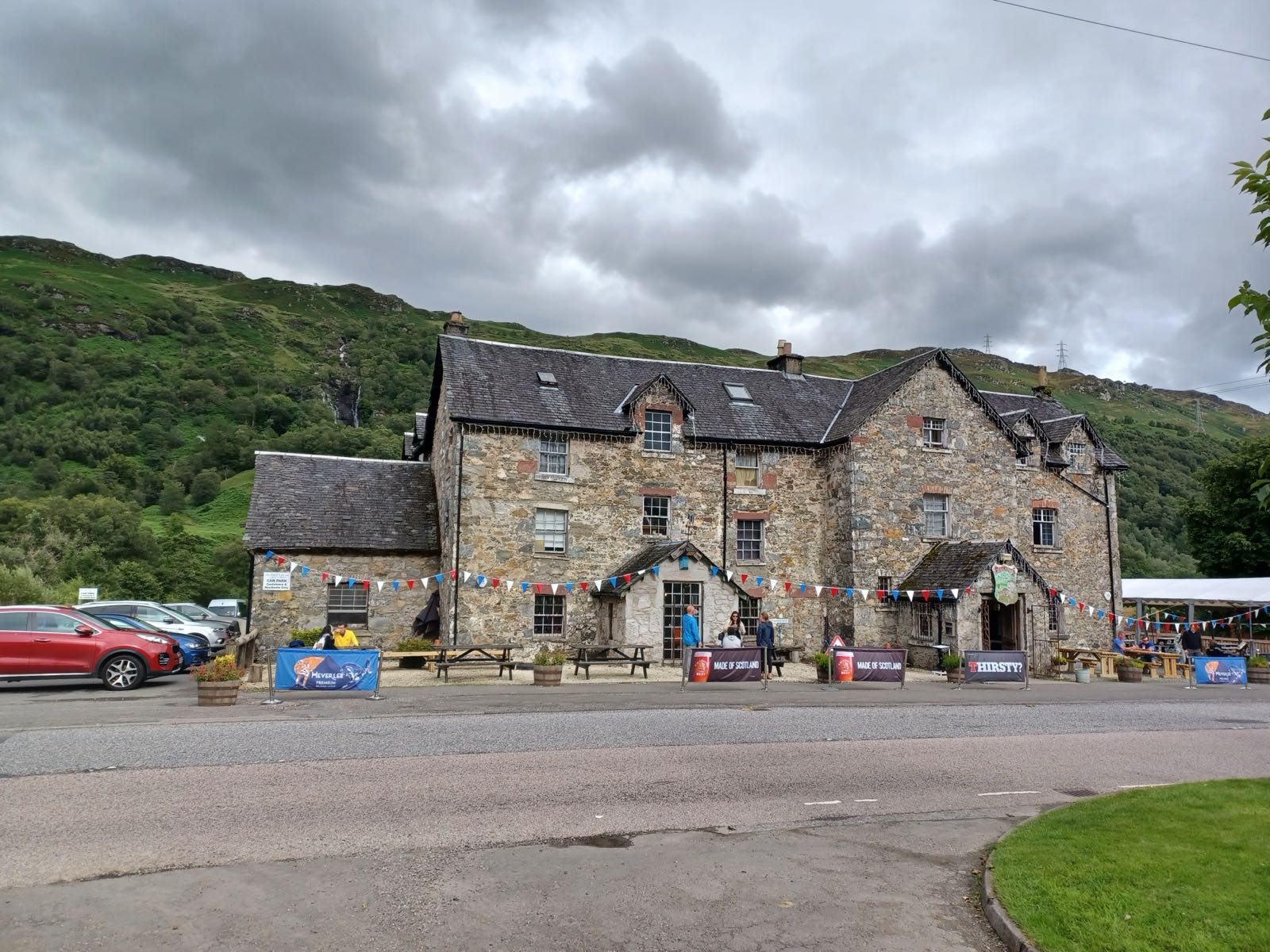
The West Highland Way passes through Moorland, Dirt Path, Lochside terrain. Climate conditions include Temperate, Wet, Unpredictable. The route stays below significant altitude risk, reaching a maximum of 548m.
Permits and Logistics
No permit is required for this route. Porters are not typically available on this route — you carry your own gear.
Use the Trekax Pack Calculator to compare your packed and worn gear weights for the West Highland Way using the moderate packing profile at 12% of body weight.
Is this trek right for you?
The West Highland Way covers about 154 km from Milngavie to Fort William over 6–9 days, with roughly 4,800 m of total ascent and a high point of 548 m. Technical demand is low. The challenge is consecutive days in wet, changeable weather, with midges in summer. It suits walkers with some multi-day experience who can navigate with a map. You can use hostels and bunkhouses or camp. This is a general guide, not an assessment of your fitness.
Before you go
Choose how you will stay before you pack. The official site suggests a 65–75 L rucksack for camping, 40–60 L for hostels and bunkhouses, and 30–40 L for serviced accommodation, where you carry only key items.
Once you leave Drymen, camping byelaws apply from 1 March to 30 September: camping is only permitted in campsites and designated permit areas.
Midges are a feature of Scottish summers. The official site advises carrying midge repellent or a midge net.
Carry a map of the Way, which the official site calls a must, plus a torch (preferably a head-torch) with spare batteries, a whistle and emergency food. Refill your water bottle at the free refill points along the Way.
Based on the terrain, climate, accommodation type, and altitude profile, these are the most important gear decisions for this route:
Waterproof Hiking Boots Essential
Standard for multi-day mountain trekking
Gore-Tex Waterproof Jacket Essential
High precipitation expected — waterproof essential
Fleece Mid Layer Essential
Evenings and cool mornings
Sleeping bag (camping; check bedding in hostels) Depends on lodging
Hostels and bunkhouses may let you hire bedding, so a bag is mainly for camping. A mat and tent are needed only if you camp.
Blister Kit (Compeed + Leukotape) Essential
Long daily distances make blister prevention critical
Map of the Way Essential
The official site calls a map a must.
Midge repellent or head net Optional
Advisable in summer.
What Not to Bring
Crampons or ice axe
Technical climbing harness or ropes
Stiff mountaineering boots (overkill for the terrain)
Packing for the West Highland Way
Complete gear checklist for this 154 km, 6–9 days, Moderate route. Best months: May, Jun, Jul, Aug, Sep. Packing profile: Moderate (12% of body weight target).
📋 About This Packing List
This list is generated from the West Highland Way's terrain profile (Moorland, Dirt Path, Lochside), climate (Temperate, Wet, Unpredictable), and accommodation type (Hostel, Camping, Bunkhouse). It reflects the moderate packing profile — appropriate for this route's conditions. Product options are listed for every category. Check the retailer for current prices and availability.
Before you start buying: use the Trekax Pack Calculator to explore a total carried-gear target, including worn items. The West Highland Way uses the 12% packing profile as a planning guide.