Trek Overview

📍 Region
Asia
🗺️ Countries
Japan
📏 Distance
14 km
📅 Duration
2 days
⛰️ Max Altitude
3,776 m
📈 Elevation Gain
1,440 m
🎯 Difficulty
Moderate
🏕️ Accommodation
Hut
📆 Best Months
Jul, Aug
🎒 Pack Profile
Light
✅ Permit Required
Yes
🧗 Technical Demand
Low

Location

Terrain and Conditions

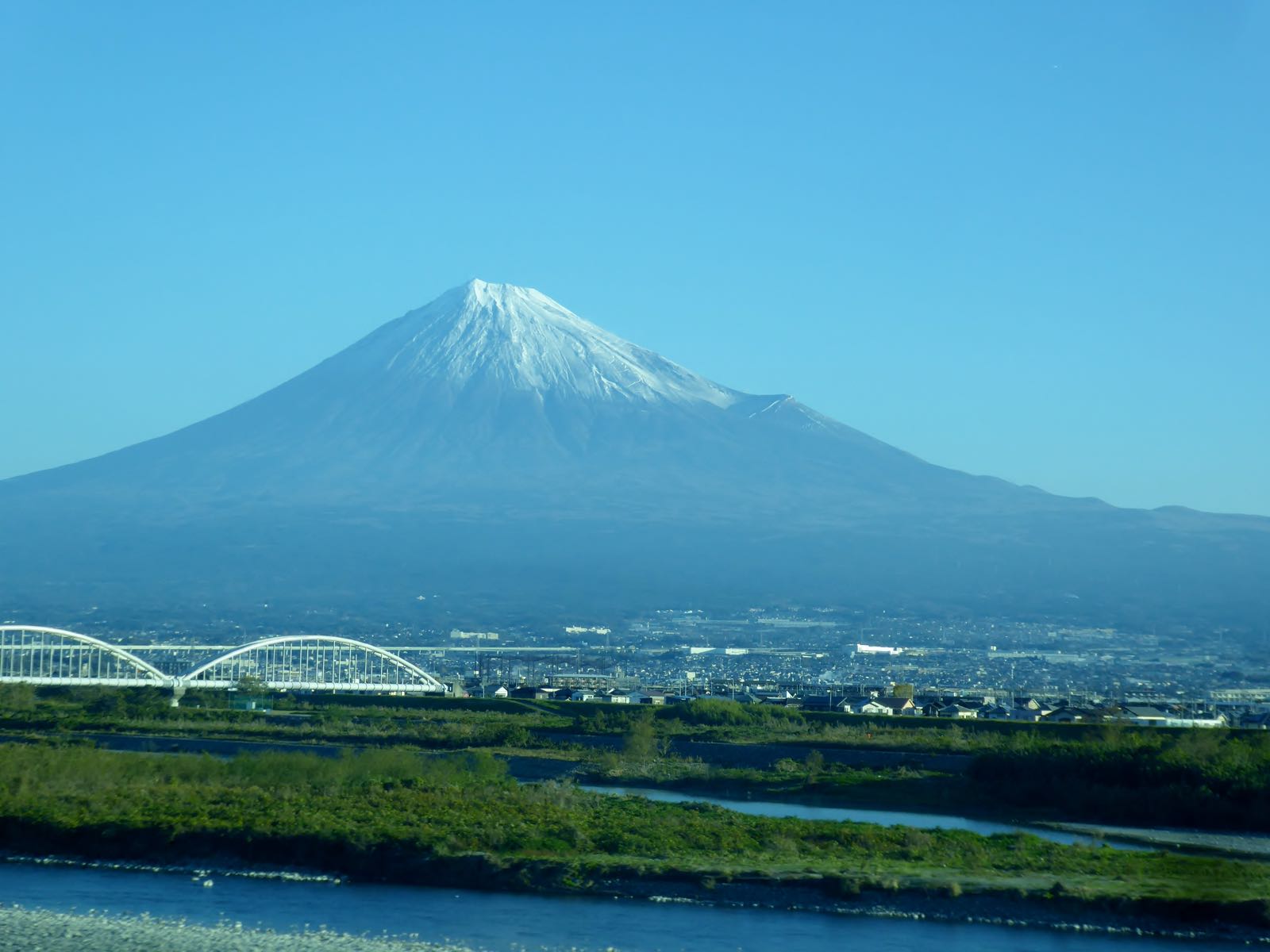
The Mount Fuji Climb passes through Volcanic, Scree, Rocky Summit terrain. Climate conditions include High Altitude, Cold Summit, Unpredictable. Altitude acclimatisation is required — the route reaches 3,776m.

Permits and Logistics

A permit is required for this trek. Check current requirements and costs with your country's embassy or a local trekking agency before departure — regulations and fees change regularly. Porters are not typically available on this route — you carry your own gear.

Use the Trekax Pack Calculator to find your ideal pack weight for the Mount Fuji Climb — target the light packing profile at 8% of body weight.

Priority Gear for the Mount Fuji Climb

Based on the terrain, climate, accommodation type, and altitude profile, these are the most important gear decisions for this route:

Waterproof Hiking Boots
Standard for multi-day mountain trekking
Gore-Tex Waterproof Jacket
High precipitation expected — waterproof essential
Down Jacket (-10°C or lower)
Critical for high camps and cold nights
Sleeping Bag Liner + -5°C Bag
Hut blankets are supplementary, not reliable
Altitude Medication (Diamox)
Consult your doctor — AMS risk above 3,500m
Hydration System (3L capacity)
Hydration is the primary AMS prevention tool
SPF 50 Sunscreen + Glacier Glasses
UV intensity increases significantly at altitude

What Not to Bring

Packing for the Mount Fuji Climb

Complete gear checklist for this 14 km, 2 days, Moderate route. Best months: Jul, Aug. Packing profile: Light (8% of body weight target).

📋 About This Packing List This list is generated from the Mount Fuji Climb's terrain profile (Volcanic, Scree, Rocky Summit), climate (High Altitude, Cold Summit, Unpredictable), and accommodation type (Hut). It reflects the light packing profile — appropriate for this route's conditions. Budget and premium options are listed for every category.

Before you start buying: use the Trekax Pack Calculator to set your total weight target. For the Mount Fuji Climb, aim for 8% of your body weight.

🥾 Footwear

Item Budget Option Premium / Notes
Trail runners or light hiking boots Merrell Moab 3 See guide →
Merino wool hiking socks × 4 pairs Darn Tough Hiker Micro Crew (~$25/pair)
Premium: Icebreaker Hike+ Crew (~$30/pair)
See guide →
Camp sandals or lightweight shoes Havaianas (~$20)
Premium: Teva Original (~$55)

🎒 Pack & Carry

Item Budget Option Premium / Notes
Trekking backpack 30–45L Decathlon Forclaz Trek 500 40L (~$90) See guide →
Rain cover for backpack Integrated or Decathlon universal cover (~£10)
Dry bags for electronics and documents YETI dry bag (~$30)
Premium: Sea to Summit Ultra-Sil Nano (~$35)
Trekking poles Black Diamond Trail Pro (~$80)
Premium: Leki Micro Vario Carbon (~$180)
See guide →

🧥 Clothing

Item Budget Option Premium / Notes
Merino wool or synthetic base layer top Icebreaker 175 Everyday Merino
Premium: Smartwool Merino 250 (~$110)
Synthetic hiking T-shirts × 2 Decathlon synthetic tee (~£15)
Premium: Patagonia Capilene Cool (~$45)
Fleece mid layer + packable down jacket Decathlon Trek 100 fleece (~£30) + Uniqlo Ultra Light Down (~£70)
Premium: Patagonia R1 Fleece (~$160) + Arc'teryx Atom
Gore-Tex waterproof jacket — 3-layer recommended Berghaus Paclite 2.0 (~$180)
Premium: Arc'teryx Beta AR (~$600)
See guide →
Trekking trousers × 2 Decathlon Forclaz MT500 (~£45) See guide →
Warm hat + sun hat Buff merino beanie (~£25) + wide-brim sun hat
Premium: Arc'teryx Dory beanie (~$40)
Gloves (liner + warm) Buff lightweight liner + Mountain Equipment glove (~£40)
Premium: Black Diamond Midweight Screentap (~$50)
Sunglasses UV400 Polaroid sunglasses (~£20)
Premium: Julbo Explorer 2.0 (~$120)

😴 Sleep System

Item Budget Option Premium / Notes
Sleeping bag — Sleeping bag liner + light bag Lifeventure silk liner (~£35) See guide →
Sleeping bag liner Lifeventure Silk Liner (~£35)
Premium: Sea to Summit Expander Liner (~$80)
Microfibre towel Decathlon microfibre towel (~£8)
Premium: PackTowl Luxe
Earplugs + sleep mask Basic foam plugs (~£3)
Premium: Loop Quiet 2 (~£23)

💊 Health & Safety

Item Budget Option Premium / Notes
Altitude medication (Diamox — consult doctor) Prescription only — consult GP or travel clinic
Pulse oximeter Basic finger oximeter (~$15)
Premium: Garmin Fenix 8 (integrated) or Masimo MightySat (~$200)
Blister kit: Compeed, Leukotape, Body Glide Compeed (~£8) + Leukotape P (~£12)
First aid kit (personal) Adventure Medical Kits Ultralight/Watertight .9
Premium: Wilderness First Aid kit (~$60)
Water purification Aquatabs iodine tablets (~£5)
Electrolyte tablets Dioralyte sachets (~£5)
Premium: Precision Hydration sachets (~£20)
SPF 50 sunscreen + lip balm Any SPF50 (~£5)
Premium: La Roche-Posay Anthelios SPF50+ (~£15)
Ibuprofen + paracetamol Pharmacy generic (~£2)

📱 Tech & Documents

Item Budget Option Premium / Notes
Headlamp with spare lithium batteries Petzl Tikkina (~$20) See guide →
Portable power bank 20,000mAh Anker PowerCore 20,100 (~$45)
Premium: Anker 733 GaNPrime (~$60)
USB-C charging cable + adapters Amazon basics (~£8)
Passport + permit documents (waterproof pouch) Decathlon waterproof pouch (~£5)
Premium: Sea to Summit Ultra-Sil document pouch (~$20)
Travel insurance documents Required — ensure adventure sports coverage
Emergency cash in local currency Recommended: equivalent of $100–200 USD
⚖️
Free Tool

Check your total pack weight before you commit to buying gear. Enter your body weight and get a recommended maximum — broken down by category.

Try the Trekax Pack Calculator →

Also Useful

Frequently Asked Questions

How long does the Mount Fuji Climb take?

The Mount Fuji Climb typically takes 2 days to complete, covering 14 km with 1,440m of elevation gain.

Is a permit required for the Mount Fuji Climb?

Yes, a permit is required for the Mount Fuji Climb. Requirements and costs change regularly — confirm current rules with your embassy or a local trekking agency before departure.

When is the best time to trek the Mount Fuji Climb?

The best months for the Mount Fuji Climb are Jul, Aug, during the Summer season window.

Do I need a guide for the Mount Fuji Climb?

A guide is not mandatory for the Mount Fuji Climb, though you should be comfortable with independent route-finding.

What is the altitude risk on the Mount Fuji Climb?

The Mount Fuji Climb reaches 3,776m, so altitude acclimatisation is required. Build in rest days and watch for symptoms of altitude sickness.

Are porters available on the Mount Fuji Climb?

Porters are not typically available on the Mount Fuji Climb — you carry your own gear.
Related Treks

Everest Base Camp
130 km · Demanding · Spring, Autumn
Annapurna Circuit
230 km · Demanding · Spring, Autumn
Annapurna Base Camp
115 km · Moderate · Spring, Autumn